


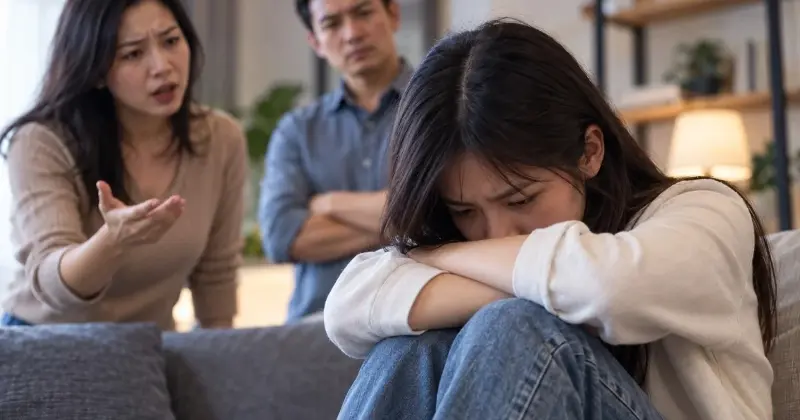
In recent days, the "I Hate My Parents" group has attracted attention as many children share about the hurt, conflicts, and difficulties in their relationships with their parents and relatives. This phenomenon raises questions about how parents and schools support children in their growth and development.
Speaking to Dan Tri newspaper , Ms. Nguyen Thuy Uyen Phuong, Chairwoman of the Board of Directors of the ICS Bilingual School System, said that it is premature to conclude that children are ungrateful or rebellious. Adults need to identify gaps in family communication, create a safe environment for children to express their emotions, and teach them empathy and sharing.
"Behind the resistance, there may be a child's cry for help."
How do you assess the phenomenon of the "Children who hate their parents" group? What do their shared experiences reflect about the current state of parent-child relationships?
- I don't view this phenomenon with judgment, nor do I rush to conclude that children today are becoming ungrateful or rebellious. The word "hate" carries negative energy, but behind that resistance may be a cry for help from feelings of hurt and helplessness when the desire to be understood is not met.
Reading those stories, I was troubled by how adults' behavior can unintentionally cause deep harm to children, making them feel that the family is no longer a safe place to belong.
This phenomenon also reveals the downside of how young people access social media. They have many platforms to express their personal thoughts, which is essentially a positive development. However, without the guidance, feedback, and emotional regulation of qualified adults, anonymous forums can amplify negative thoughts through the bandwagon effect.