



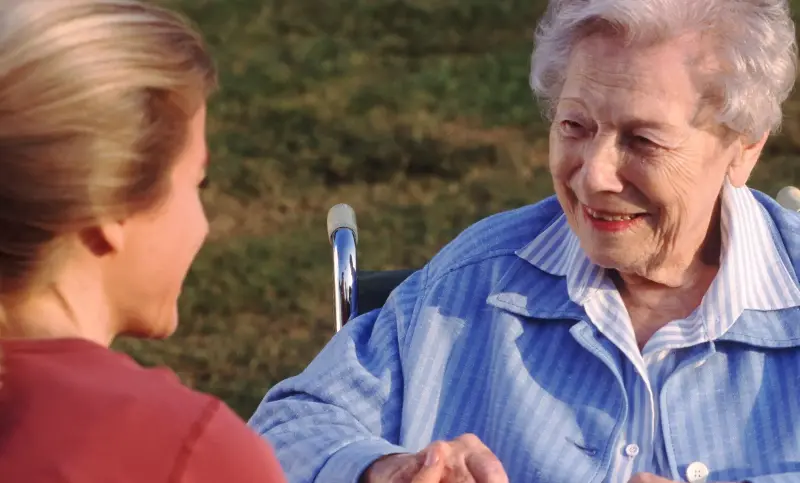
Families facing dementia deserve a conversation that leaves room for both grief and affection. The demands of care can be considerable, yet acknowledging them should not mean overlooking the connection that may remain.
I believe caregivers need support that helps them preserve that connection without treating their own exhaustion as proof of devotion.
The scale of that need is difficult to ignore. The Alzheimer’s Association’s 2025 Facts and Figures report noted that 59 percent of dementia caregivers experienced high or very high emotional stress. And 38 percent will experience physical stress. It also recognized that caregiving can bring satisfaction and a sense of togetherness.
Those findings deserve to be considered together. Supporting caregivers should mean helping them carry difficult responsibilities while protecting the relationships that give those responsibilities meaning.
Sorrow and Fulfillment Can Exist Together
I have spent years caring for my wife, who is now in the final stage of Alzheimer’s disease. Much of the future we expected to share has become impossible. Yet caring for her has also changed how I relate to other people. I find myself more patient, more generous, and more attentive to kindness. That is my experience, not an outcome anyone should feel obliged to achieve.
There is a danger in suggesting that hardship must produce personal growth. A caregiver who feels depleted has not failed to love deeply enough. Still, I think we should make room for the possibility that sorrow and fulfillment can exist together. Recognizing a meaningful moment does not diminish the seriousness of the illness.
For me, that has required reconsidering what companionship looks like. Conversation once helped define our marriage. Now I pay closer attention to a facial expression, a movement, or her hand reaching toward mine. I cannot know everything she experiences, but I can respond with affection and respect what she communicates.
Tone of Voice and Body Language
This approach also calls for learning. The National Institute on Aging (NIA) advises caregivers to consider tone and body language, allow time for responses, and avoid speaking as though the person is absent. To me, the underlying principle is dignity. Losing the ability to hold a familiar conversation should never mean losing the right to be included.
Preserving that patience is harder when one person carries every responsibility. My wife has lived in a memory care residence for almost four years, and I visit daily. Professional care has given me space to concentrate on being her husband during those visits. This arrangement has helped us, though it cannot serve as a prescription for every household.
Cost, availability, and individual needs must shape those decisions. I have reduced my own spending and sought financial help from relatives. That experience leaves me reluctant to equate spending with commitment. Families should be able to discuss what they can sustain without having their love measured against a bill.
Time Away To Recharge
The same understanding should apply to time away. The NIA recommends asking for help, taking breaks, maintaining interests, and planning for increasing care needs. These are practical parts of caregiving. A friendship, a medical appointment, or an afternoon of rest deserves a place in the schedule.
I would encourage relatives to turn concern into specific commitments. An offer to bring dinner on Thursday or provide regular companionship gives a caregiver something concrete to plan around. Clear responsibilities may also leave less room for misunderstandings about who is available and what help is actually coming.
Without that support, opportunities for connection may become harder to notice amid the work. With it, there may be more room for a quiet visit or shared laughter. I try to make my wife laugh whenever I can. Such moments do not tell me everything about her condition, but they remain precious to me.
Families should begin with a written care plan that names who handles essential tasks, who can provide backup, and when the primary caregiver can rest. Review it as needs change, and discuss professional support before exhaustion forces an urgent decision.
The purpose is to make loving care more sustainable. We cannot recover everything dementia takes away. We can give caregivers a better chance to remain present for what is still possible.
Paul Shemella is the author of Into the Mist: An Alzheimer’s Journey, a memoir about caring for his wife through Alzheimer’s disease. The views expressed are the author’s own.